Aerated Wastewater Treatment Systems
AWTS Supplied & Installed
An aerated wastewater treatment system, or AWTS, treats household wastewater to a much higher standard than a septic tank and disperses it by irrigation instead of a trench. It is what council will ask for on a small block, a wet block or one close to water. We are accredited installers of the Biocycle system, and we supply, install and handle the approval for AWTS across the Mid North Coast and Manning.

Biocycle Accredited Installer
From Approval to a Commissioned System
How It Works
An AWTS install runs like any other system we put in, with one extra step at the end because an aerated system has to be commissioned and then serviced.

Council Approval
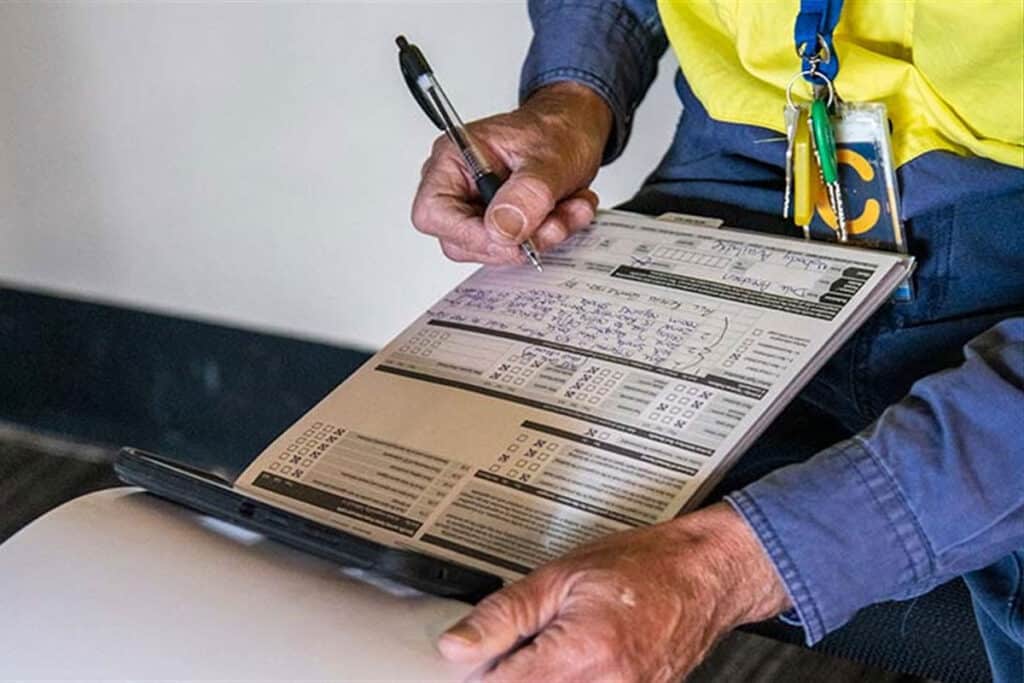
Installing an aerated system needs Section 68 approval before work starts. We prepare and lodge the application, arrange the site and soil assessment, and follow it through to the approval to operate once the system is in.
Supply and Delivery
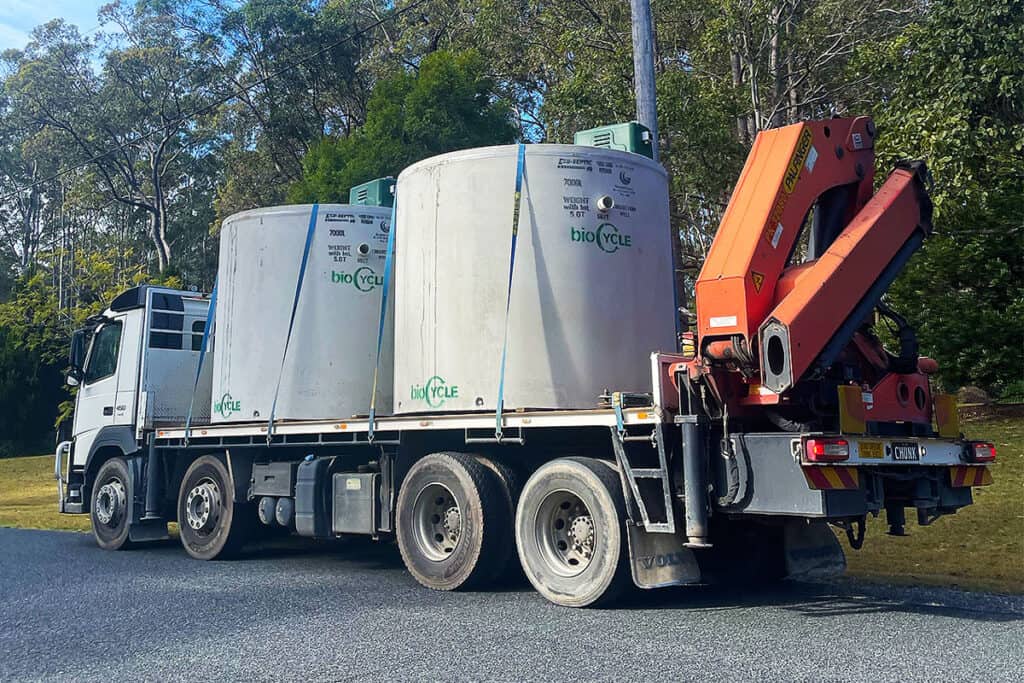
We supply the unit and get it to the property. On acreage that usually means planning the delivery and the excavation together so the truck and the machine only have to come once.
Install and Commission
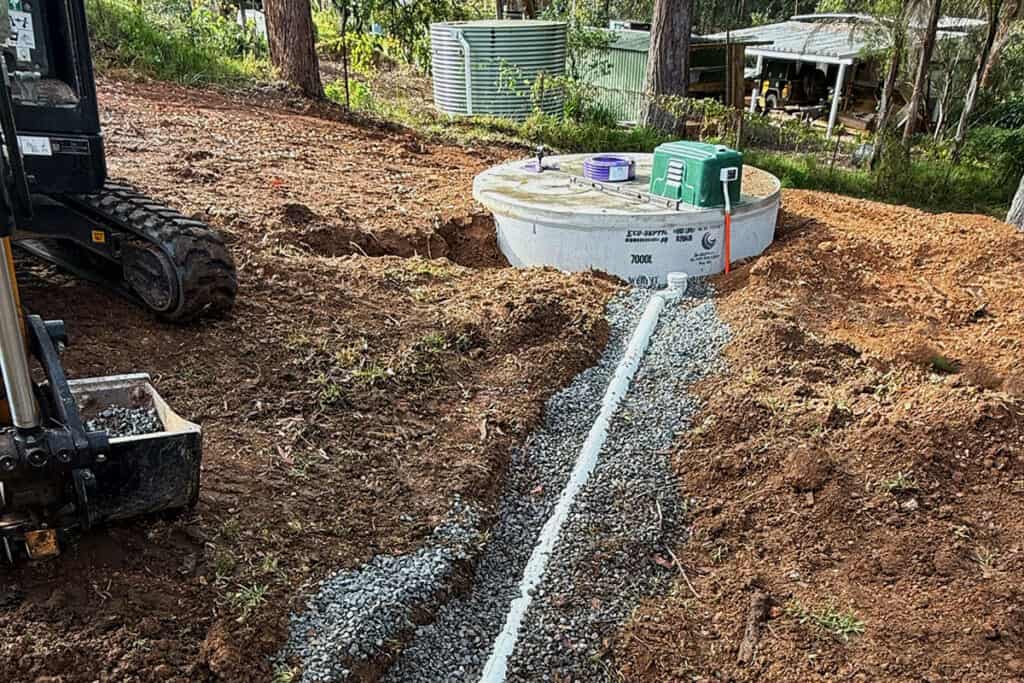
We excavate, set the unit, connect the plumbing and power, and lay out the irrigation area. The system is commissioned and handed over ready for its first quarterly service.
Treated Water Instead of a Trench
What an AWTS Does
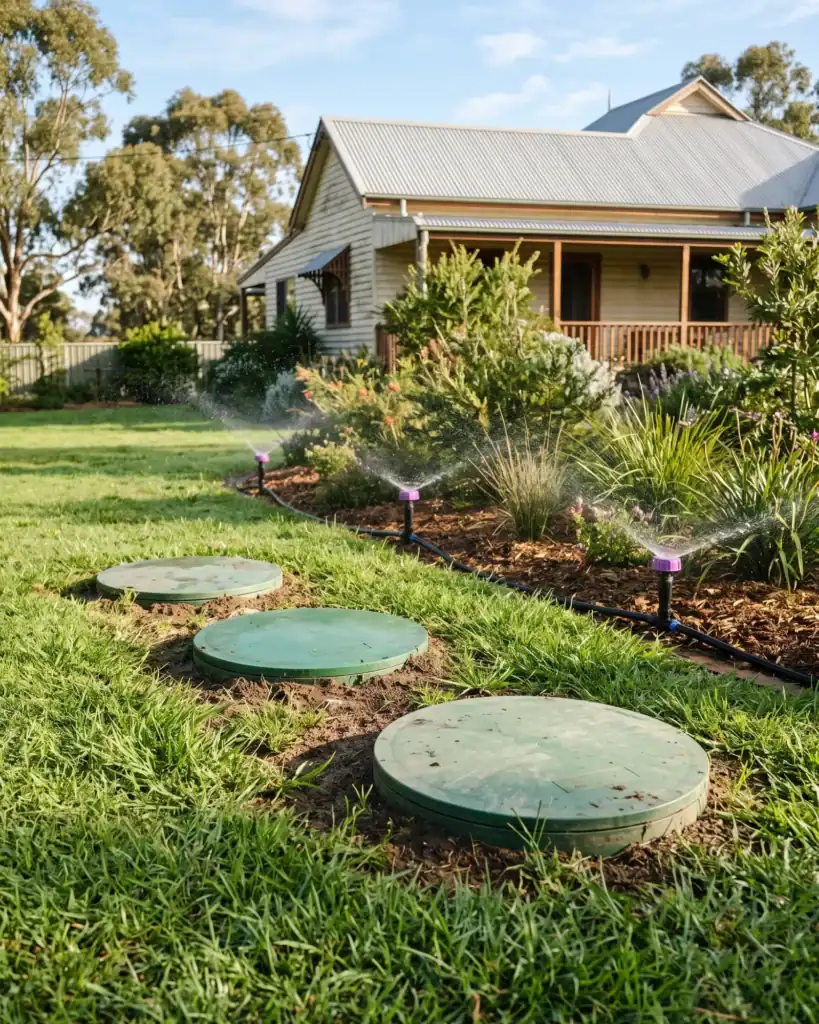
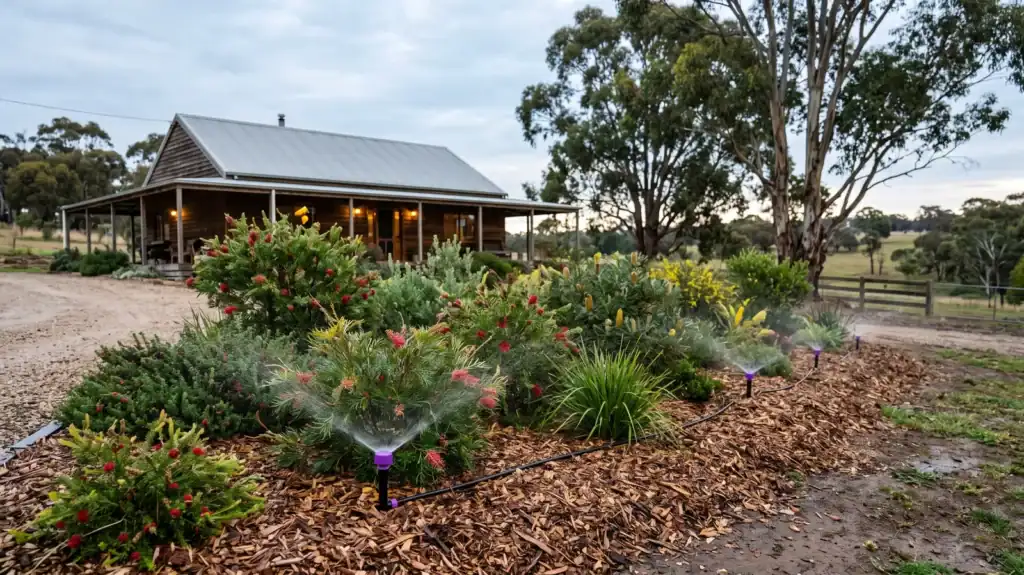
A conventional septic tank does one thing. It settles the solids and sends the liquid out to a trench, where the soil does the rest of the treatment. An aerated wastewater treatment system does much more of the work inside the unit. After the solids settle, air is pumped through the wastewater so bacteria break down what is left, then the water is settled again and disinfected. What comes out is clear enough to be sprayed or dripped onto a garden area rather than disappearing into the ground.
That difference is why councils require an AWTS in certain situations. Where a block is too small for a conventional disposal trench, where the water table is too high, where the soil is shallow over rock, or where the property sits close to a creek, river or lake, a trench cannot safely do the job and an aerated system can.
The trade is that an AWTS is a working machine, not a tank. It runs a blower and a pump, so it needs a power connection, and NSW Health requires it to be serviced every three months by an accredited service agent. Council makes that servicing a condition of the approval to operate and checks that the contract is in place. You also cannot drive over the irrigation area or let it be dug up.
We install the Biocycle system. It is the aerated unit we are accredited for, it has been made in Australia for decades, and it is what we put in when a site calls for an AWTS. If you have been told by council or a soil assessor that you need an aerated system, the Biocycle page explains the unit itself in more detail.
As with any system, the site and soil assessment decides the design. If a conventional tank and trench will do the job, we will tell you, because it is cheaper to run and simpler to own. If it will not, an AWTS is the answer, and we handle the approval, the supply and the installation as one job.
When Council Will Ask for an AWTS
Where It Suits
An aerated system is not a general upgrade. It is the answer to a specific site problem, and the site and soil assessment is what identifies it.

Small Blocks
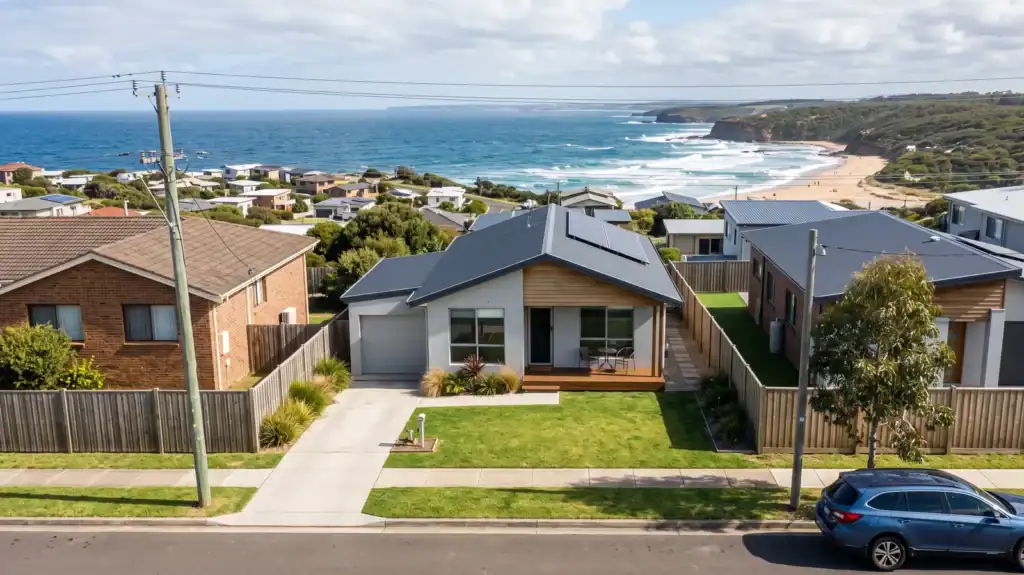
Treated effluent is irrigated rather than trenched, so it needs far less land. On a block that cannot fit a conventional disposal area, an AWTS is often the only compliant option.
High Water Table
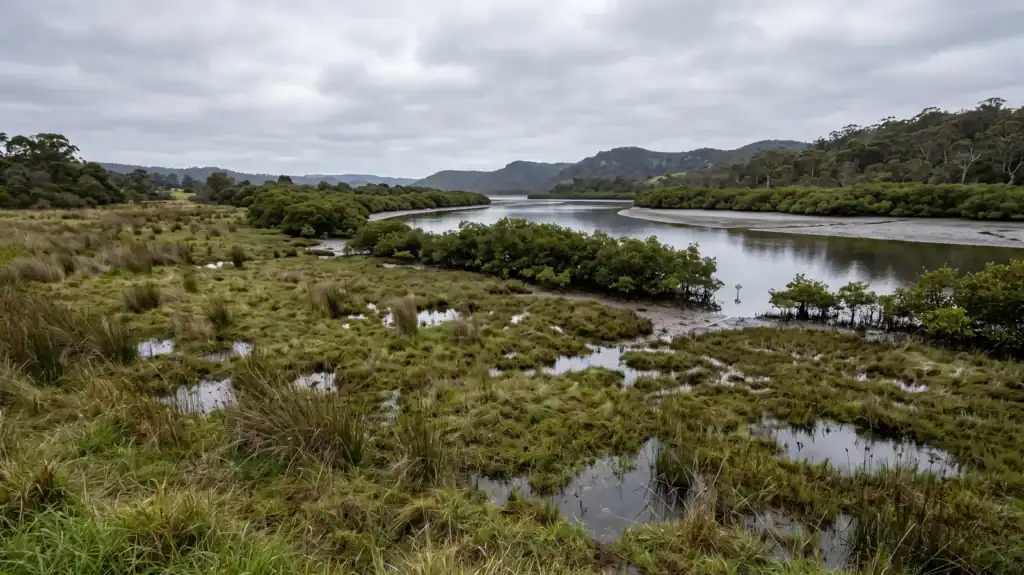
On river flats and estuary blocks where groundwater sits close to the surface, there is rarely enough depth for a trench. An aerated system works around that.
Close to Water
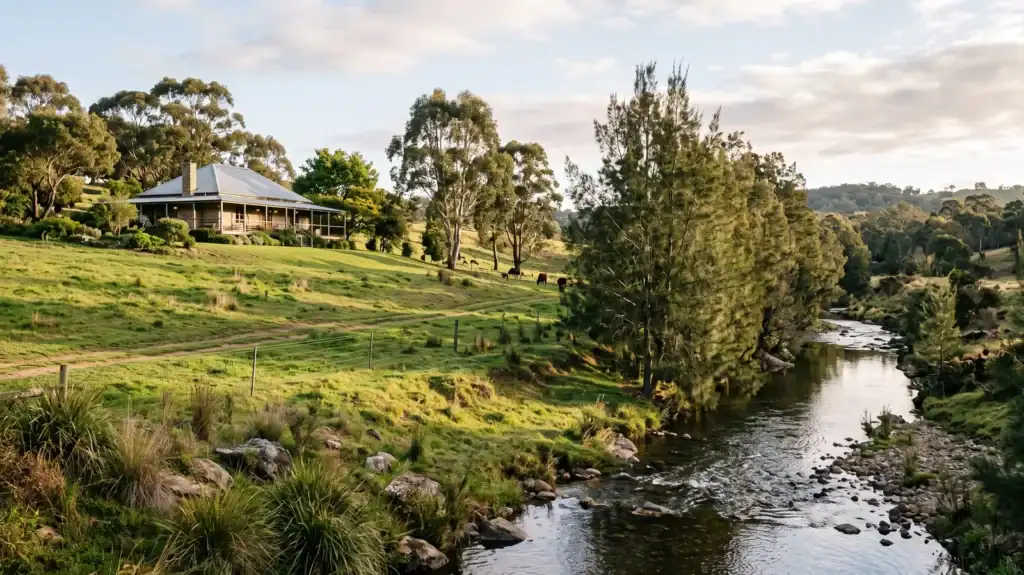
Near a creek, river, lake or dam, council wants a higher treatment standard and a bigger setback. An AWTS delivers both.
Replacing a Failed Trench
When an old system has failed and the original trench area is spent, an aerated unit can often be approved where a like-for-like replacement cannot.
"The installation was clean, quick, and professionally done"
Septic Tank Installtion
From the first phone call, Ben made everything so straightforward. He handled the council approval, explained the options clearly, and kept us updated the whole way through. The installation was clean, quick, and professionally done.
As someone building on a rural block for the first time, I really appreciated the honesty and attention to detail. I’d absolutely recommend him to anyone needing a septic system installed.
The whole process was so easy from start to finish. Ben handled the council stuff, kept us informed, and had the system installed quicker than we expected.
We were building a new home off-grid and had no idea what was needed. Ben explained everything clearly and made sure it was all compliant.
We replaced an old tank that kept blocking up. The new system has been running perfectly since day one, and we wish we had done it sooner.
AWTS Installs Across the Region
Where We Work
We install aerated wastewater treatment systems across the Mid North Coast and Manning Valley, from Port Macquarie and the Hastings valley through the Camden Haven, Macleay and Nambucca, down to Taree, Forster and the Manning.
Servicing Areas Including
AWTS Install Old Bar
AWTS Install Forster
AWTS Install Wingham
AWTS Install Port Macquarie
AWTS Install Tuncurry
AWTS Install Wauchope
AWTS Install Kew
AWTS Install Kempsey
AWTS Install Harrington
AWTS Install Taree
Accredited, and We Handle the Paperwork
Why Us
Council will ask who installed the system and whether they were accredited to do it. That is worth getting right the first time.
Accredited Installer
We are accredited to install the Biocycle system, which is what council expects to see on the approval.
Approvals Handled
We prepare and lodge the Section 68 application and see it through to the approval to operate.
Honest About Whether You Need One
If a conventional system will do the job, we say so. An AWTS costs more to run and only makes sense when the site needs it.
Irrigation Laid Out Properly
The irrigation area is designed from the soil assessment and set out where it will work, not where it is convenient.


0+
Systems Installed
Fully approved and professionally installed systems across the region.
0%
Council Approval Rate
We handle all paperwork and get it right, first time, every time.
0+
Years of Local Experience
Helping homeowners and builders with compliant wastewater systems.
Common Questions About Aerated Systems
Frequently Asked Questions
The questions we get asked most often before an AWTS goes in.
What is the difference between an AWTS and a septic tank?
A septic tank settles solids and sends the liquid to a disposal trench, where the soil finishes the treatment. An AWTS aerates the wastewater so bacteria break it down inside the unit, then settles and disinfects it, and the treated water is irrigated onto a garden area. The AWTS produces far cleaner water and needs much less land, but it runs on power and has to be serviced.
Do I need an AWTS or will a septic tank do?
The site and soil assessment answers that. If the block has room for a trench, reasonable soil depth and a low water table, a conventional tank is usually fine and cheaper to own. If the block is small, wet, rocky or close to water, council will generally require an aerated system. We will tell you which before anything is ordered.
How often does an AWTS need servicing?
At least every three months. Quarterly servicing by an accredited service agent is a NSW Health requirement and a standard condition of council approval for aerated systems, and councils check that a service contract is in place.
Does an aerated system use much power?
It runs a small blower continuously and a pump when it discharges, so it needs a power connection and adds a modest amount to the power bill. It is one of the practical differences from a septic tank, which uses no power at all.
Which aerated system do you install?
Biocycle. It is the system we are accredited to install, it is made in Australia, and it is what we supply when a site calls for an AWTS. We do not install other aerated brands.
Talk to an Accredited AWTS Installer
Contact Us
Tell us about the block and what is going on it, and we will work out whether an aerated system is required and what the approval needs.
Location
Hours
Biocycle Accredited Installer